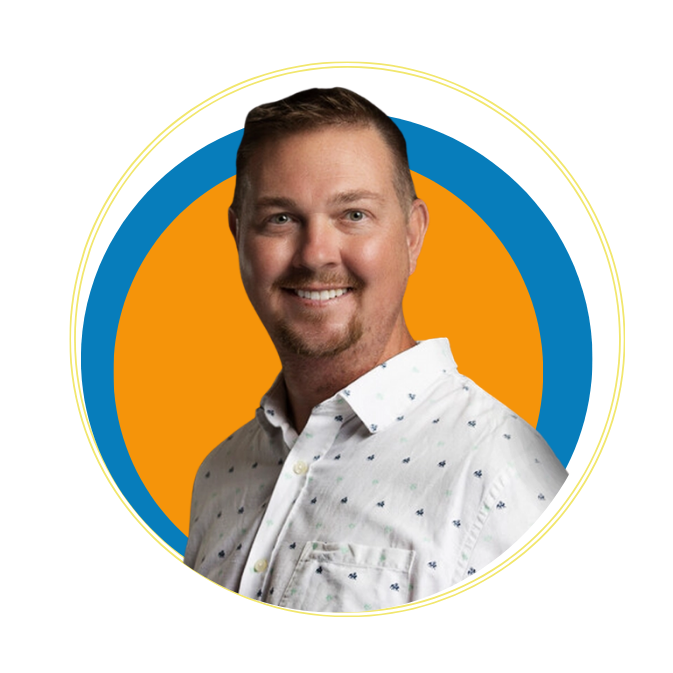

In this episode of The Nearshore Cafe Podcast, host Brian Samson, founder of Plugg Technologies, sits down with Rebekkah Anderson to explore how nearshoring, remote work, and digital infrastructure are reshaping local and regional economies.
They discuss how communities that once depended on a single employer are now diversifying through technology, why remote work is unlocking new entrepreneurial opportunities, and how nearshoring to Latin America enables companies to scale efficiently while supporting sustainable economic growth. The conversation highlights real-world outcomes, workforce trends, and why nearshoring is becoming a long-term strategy not a temporary fix.
Nearshoring fuels local economic growth by bringing high-quality jobs, stable income, and long-term investment into communities. When companies hire nearshore talent, wages circulate locally supporting small businesses, entrepreneurship, and diversified economies instead of dependence on a single employer.
Remote work allows talent to stay local while accessing global opportunities. Instead of relocating to major cities, professionals can work remotely for U.S. companies, increasing regional economic resilience and reducing boom-and-bust cycles tied to single industries.
Nearshoring creates stable, well-paying roles that encourage employee loyalty and tenure. This stability benefits both companies and local economies by reducing turnover costs and enabling long-term skill development in the workforce.
Plugg Technologies connects U.S. companies with vetted nearshore talent in Latin America, managing sourcing, screening, and compliance. This allows leaders to scale teams quickly without wasting time on recruiting inefficiencies or misaligned candidates.

Business Growth Has to Be Personal
Brian Samson (00:01.377)
Welcome everyone to another episode of the Nearshore Cafe podcast. I’m your host Brian Sampson. Before we get into our show, let me thank our sponsor, Plug Technologies, PLUGG.Tech. Great way to connect talent from all over Latin America with US companies. I’m really excited for our guests today. It’s one thing to hire abroad and have a remote team.
It’s a whole other thing on how to run the right systems, implement it, keep everything straight. So Rebecca Anderson is going to tell us all about that, her experiences, a really exciting founder story. Rebecca, so nice to have you on the show.
Rebekkah Anderson (00:48.408)
Thank you for having me.
Brian Samson (00:50.481)
Well, let me give you a proper introduction. So Rebecca is the president of wise elephant group. Rebecca is also a podcast host. hosts business talk sister Gawk, which is one of my favorite names for a podcast and also owner of Deleto art gallery. So, uh, I would just love for our audience to get to know you a little bit better.
Rebekkah Anderson (01:09.102)
you
Brian Samson (01:19.109)
Tell us about the journey. Where did you start? How did you get to where you are today?
Rebekkah Anderson (01:24.386)
Yeah, well, I started my business in 2018. And with that, it was actually before the big move to digital. And I had worked for a company that I was doing a lot of digital software as a service, all that kind of stuff. And I was working with people all over the United States at that time. And then I realized, you know what? I can do that myself.
in my own business and why not live in the place that I love in a rural area where everyone knows my kids and they’re watching out for each other, but also still be able to offer the same level of service on a remote world. And so I started that journey of my own consulting company. And in that process, you know, you start learning so many things about
business and being online and all that kind of stuff. So definitely it was a slow and steady start to things just in like using all of the different digital marketing techniques I know how to use and whatever else. So that was super fun. Started working with a lot of different businesses that way doing project management and like that slowly transitioned into doing work for
acquisitions and mergers and helping people negotiate property deals and work with small towns or work in general with just grant funding and all that kind of stuff. So that’s kind of like my business, helping help other businesses strategize growth or create accountability for long term success. And in that process, I realized that the other
Like, you know, I did workforce development and business development, but the other three legged stool in that is community work and like community development. How do you really do that? And so that was like my passion of trying to like invest in a town. And so I found a town that I really wanted to start pouring my efforts into using the arts because statistically communities that have art.
Brian Samson (03:31.973)
Mm.
Rebekkah Anderson (03:44.32)
and public art as enjoyable for everyone see a significant impact in economic development increase. And so that started with me finding a building with no heat, power or water, and then deciding that I wanted to put an art gallery in and create an art studio. So right now, a couple of years in, we have a resident artist with us that’s going to be there for the next six months.
Um, it was fantastic, done like movies and all these different things with, um, different industries. Uh, and she’s, she’s just so talented. And then, um, we’ve had the opportunity to represent quite a few, um, well-known local artists as well. And so, um, yeah, those are kind of all of my, businesses and the things that I’ve grown in doing over the years.
Brian Samson (04:38.703)
Was 2018 your first year as an entrepreneur or did that take place earlier?
Rebekkah Anderson (04:44.71)
2018 was my first, like I filed my LLC and got everything together. but definitely during COVID, I was already doing a lot of stuff remotely, but during that time, everyone else in the world was like, yeah, we should really invest in digital and start looking at how we can have people work from home or work other places, not necessarily from home. but how are we leveraging?
cost savings. And I think a lot of larger organizations started to realize, we can do this without having to be in person all the time. And don’t get me wrong, I think that that is valuable for team building and relationships and having a little bit more downtime to connect with people to learn about who they are as a person. But for efficiency’s sake, in just doing an agenda of a meeting and accomplishing tasks and distributing to do items, I think digital is a fantastic tool.
Brian Samson (05:44.591)
Yeah. I know you’re in Minnesota, but how far are you from the nearest mid-sized city, would you say?
Rebekkah Anderson (05:53.55)
Well, it depends on what you mean by mid-sized. We have Duluth, which is about an hour and 15 minutes, but the metro area would be about three to three and a half hours away.
Brian Samson (06:03.761)
Mm-hmm.
Brian Samson (06:09.615)
Yeah, yeah. Do you, so the rural experience you’ve had more recently, did you grow up in a rural area or like what was the driver to do that?
Rebekkah Anderson (06:23.382)
Yeah, so I did most of my life and I realized, I mean, I went to school in the city or the Twin Cities here in Minneapolis, Nepal. I think that I just realized I was working down there for a little while and I realized like, man, there’s so much time I spend in the car trying to get from one place to another. Like everything is like a half hour away or something. And I can get there.
in five minutes if I were not having all this traffic and just all that kind of stuff of like, okay, this is not necessarily my favorite thing to sit in traffic. But also there’s like this feeling of, I don’t know if it’s the right word, but anonymity is that the right way to say it? Like you are anonymous and I didn’t want that for my kids because I knew what it was like to grow up and
Brian Samson (07:04.678)
Yeah.
Brian Samson (07:18.065)
Yeah.
Rebekkah Anderson (07:21.538)
be a teenager and have people in my own community be able to say, hey, I know you, I know your parents and like, I know what you’re doing and you’re not supposed to be doing that. And if you don’t stop, I’m gonna go tell your mom. And so for me, I was like, I needed that. Like there’s this aspect of like community values and policing of like helping the community, helping you raise your children that is.
Brian Samson (07:23.121)
Mm-hmm.
Rebekkah Anderson (07:49.55)
like a bit removed from large metropolitan areas because there’s so many people. And to this day, like I’m so grateful for that. Like I can have people call me and say, hey, just want to let you know, I saw one of your kids, they were doing this and were they supposed to be out of school on lunch or like, are they supposed to be on campus? And I’m like, thank you so much for letting me know. We’re going to have a conversation about that, you know? So.
Mm-hmm.
Brian Samson (08:19.439)
Yeah, I think what I really like about what you’re saying and I can apply it to my own life is proximity doesn’t always mean relationship, right? And like, you know, I lived in high rises for a lot of my adult life, Chicago, San Francisco, and I don’t think I knew any of my neighbors, even though we were like shared walls, essentially, you know, in these.
Rebekkah Anderson (08:29.837)
Right?
Rebekkah Anderson (08:46.125)
Mm-hmm.
Brian Samson (08:47.217)
in these condos and apartments. And then I’ve lived in Hawaii now for eight years, much more suburban than rural, but there’s more space between houses, yet we know our neighbors really intimately. They know our kids, they look out for our kids. The other day I saw a kid on a bike that was
Rebekkah Anderson (09:06.462)
Mm-hmm. Mm-hmm.
Brian Samson (09:14.747)
Probably not being very safe, but I felt it was my job to speak up because we’re all part of this community. We’re all part of this neighborhood. But it also makes me think about, you know, if proximity doesn’t mean relationships, that there is this opportunity for remote companies, remote work, because relationships can happen. They don’t have to be in a city, right?
So tell us about how remote work came into your companies. When did you first start doing that?
Rebekkah Anderson (09:53.102)
Yeah, well, I would say that was pretty immediate for me in just knowing people across the United States to network with and just saying, just to let you know, like this is what I’m going to be doing now. And so in regards to like developing those relationships and doing, I did a lot of different things at the beginning when I was still trying to figure out what kind of business do I want to have? You know, that’s the beauty of business is you can restart your career so many times if you want to.
And so, you know, just I did copywriting, like content writing, working with like contractors for the Department of Defense, like all all different kinds of work that I learned how to do just by like people saying, hey, do you know how to do this? like, I’ve never done that before, but I definitely would try it. Like building e-commerce websites and launching products across the U.S. And what I was like, yeah, I don’t I’ll try it. Like and having people who are excited about.
Brian Samson (10:42.129)
Mm-hmm.
Rebekkah Anderson (10:51.778)
doing it with you, you know, and like saying, yeah, this is where I want to go and be like, okay, well, let’s let’s try it. And that to me, like, was kind of immediate because I would just meet people that I would try things on my own and experiment with them. And then they’d say, hey, like, I saw you know how to do this. Do you think you could help me with what I’m doing? And that just led one thing after another of like, well.
I know how to use this one software to make sure everybody’s on track. And a lot of people really like those tools. And then it was just like, my cousin’s looking for somebody or like, hey, you should talk to this person because they need help too. And so most of the work that I did, I don’t think I worked like in my first town with anyone that lived in my town for the first couple years. so, which made me like so
Brian Samson (11:43.483)
That’s amazing. Yeah. Yeah.
Rebekkah Anderson (11:49.662)
not dependent on my local economy. And I think that that’s a huge blessing because a lot of communities are so dependent on one corporation or one manufacturer. And if you can diversify, you’re really helping your community stabilize and you don’t go through the booms and busts.
Brian Samson (12:09.763)
Yeah, that’s a really interesting economic principle, right? Of what you’re really doing as a small business owner by having a labor market outside of your city or small town is you’re diversifying the economy more or less, right? Because labor projects, clients, you know, they’re from all over the place.
Rebekkah Anderson (12:24.878)
Mm-hmm.
Rebekkah Anderson (12:30.285)
Mm-hmm.
Brian Samson (12:38.313)
And I think that diversification really mitigates disasters when one large employer either invests goes away.
Rebekkah Anderson (12:49.086)
Mm-hmm. Well, 100%. I’ve seen that happen in many, many towns. And I think that the principle of even like recruiting businesses that have like 10 or less employees and having lots of those in different industries that are across the board is a way better way to manage your just overall, like population risk of like a town.
Brian Samson (13:14.433)
Mm-hmm. Yeah.
Rebekkah Anderson (13:17.26)
Yeah. And I get excited about that because especially with the use of technology, like even in Chisholm, like I’m seeing people buy where I live, abandoned properties all over town. And it’s super exciting to like watch that growth. And there’s like a couple guys across the street from me that just bought a building and they’re putting in a coffee shop or a chocolate shop. and they sell their chocolate all over the United States and they moved from like Seattle. And so.
Brian Samson (13:37.126)
cool. Yeah.
Rebekkah Anderson (13:46.83)
It’s kind of exciting to see people who have established presences online and it doesn’t matter where you move to, you still have that loyal group of people that appreciate you and the product that you provide. So it doesn’t matter where you are, as long as they can access what you have to offer.
Brian Samson (14:07.247)
Love it. Diving more into the labor part, tell us about some of the roles that you’ve hired for your company over the years.
Rebekkah Anderson (14:17.708)
Yeah, so I’ve done a lot of different, a lot of different roles. I’ve had some, I used to have a contract with the state of Minnesota, or I guess I still do, I just don’t do contract work for them as much for career counseling for kids with disabilities. So we’ve had remote employees that travel to the schools and service that. I’ve had employees that, well, I would say subcontractors, I guess.
the companies that have helped me through having a virtual assistant or social media manager, social media or marketing strategizer. So those roles I’ve had from different parts of the United States and then also experimented with doing that other parts of the world. And so that’s been kind of interesting to dabble in all of the different layers of that because
Brian Samson (14:56.774)
Mm-hmm.
Brian Samson (15:15.919)
Yeah, yeah.
Rebekkah Anderson (15:17.65)
And exploring it on my own, you know, there’s like just a lot of ways you can do it, you know, you can do stuff like Fiverr. I’ve done that work with people in like Pakistan to build websites or in other parts of the Middle East and then social media management in like South America. Work with some people from Argentina. My my family is my mom grew up in Brazil, so have a lot of
Brian Samson (15:45.68)
Yeah.
Rebekkah Anderson (15:47.598)
appreciation for like South American countries. I feel like a lot of times I’m a hidden immigrant to where I live because my personality is very much more loud. So it’s yeah, I can appreciate like those cultures like way more I think.
Brian Samson (15:57.073)
Thank
Brian Samson (16:11.377)
Yeah, well, a couple threads that I wanted to go into separately. So maybe we’ll first talk about the digital rules, especially as you’ve hired for website work, content, marketing, things like that, that are pretty digital. What are characteristics or experiences that you look for when you’re
Rebekkah Anderson (16:23.096)
Mm-hmm.
Rebekkah Anderson (16:32.8)
Mm-hmm.
Brian Samson (16:40.955)
trying to do a project or add a team member.
Rebekkah Anderson (16:47.278)
I look for people who are able to give me timelines on what they’re gonna do because I think, and this is something that I’ve also learned is like, I have a gap sometimes in the honor shame cultures where I will say, this is what I want. I want this built on this platform.
Brian Samson (16:54.01)
Mmm.
Brian Samson (17:06.096)
Hmm.
Rebekkah Anderson (17:14.198)
with this theme, these plugins, and I will exactly lay out the whole scope of what I’m trying to do. And then where I really realized I need to like nip it in the bud earlier of like exploring that opportunity or whatever is when someone says, yeah, yeah, yeah, I can do that. I’m like, great. And so then we start the process and then I’m starting to see the work back and I’m like,
this is not the plugin that I told you I wanted to use. And this is not the theme that I wanted. Yeah, yeah, yeah, but I can do the same thing with this because I know how to use this theme. I’m like, okay, but that’s not, and I think I’ve learned that I have too much grace in those moments because I’m like, no, I asked you for these things. And if I continue to like give grace too long, I end up just biting myself in the back because I’m like,
Brian Samson (17:58.117)
Hmm.
Rebekkah Anderson (18:11.822)
trying to be gracious of, well, this seems easier for you. But in the end, it’s not easier for me because I don’t even know how to work that theme. Like, and how am I gonna do my own ongoing work on stuff after I’ve got this project done if like somebody sets me up with the tools that I didn’t ask for? And so like being more firm in the beginning and saying that wasn’t the scope of work that I, we agreed to.
Brian Samson (18:29.871)
Right.
Rebekkah Anderson (18:40.02)
And if you can’t do what I asked you to do in this scope of work, then I think we need to part ways. Is something that I think I’ve been really like, wow, I learned a good lesson in that one to make sure that my time and effort is for what I have asked for. And so just stuff like that, or when people I say, OK, this is what I would like.
Brian Samson (18:40.145)
you
Brian Samson (18:47.566)
Mm-hmm.
Brian Samson (19:00.529)
Yeah, yeah.
Rebekkah Anderson (19:07.99)
like someone who has an actual business who has been working in this industry for a while, and I will say, this is what I’m hoping to do. What do you think it will take to get there? And having them build out, this is how many weeks it’ll take and this is how much of your time I need. And if they can do that well, and then I can hold them accountable to it, then I know after like a smaller project,
Brian Samson (19:21.593)
Hmm.
Rebekkah Anderson (19:35.202)
Okay, this person is legitimately knowing what to do because I’ve been in situations where I’ve said, how long will this take? And it’s going to only gonna take this long. I’m like, all right, let’s do it. And then we move forward and then it doesn’t happen in that time. And then I’m following up and I’m following up and it’s like, okay, this I need to be better at saying, you know what? I appreciate your time, but.
Brian Samson (19:39.099)
Yeah.
Rebekkah Anderson (20:02.174)
you didn’t follow through on the initial thing that we agreed to in this timeline and therefore we’re not going to be continuing this relationship. So those are like I guess my advice of like as your interviewer as you’re looking ask like timeline questions get your scope really clear and then like double down on when those things are not being delivered on.
Brian Samson (20:18.127)
Yeah.
Brian Samson (20:26.705)
Yeah, I think that’s really important. I love the timeline aspect to it because then you have an immediate feedback point, right? Are they going to follow it or not? The other piece I think is really interesting is, and a mistake, I see a lot of first time DIY outsourcing. The scope is too vague and.
You know, later on, at least in my experience, you know, as you hire people, you can give more ambiguity and you rely on them to give you recommendations or even make choices. But I think the very first project or two, the more that you just, you’re just really tight on exacting, you know, what you want. Then there’s, there’s really no ambiguity. You know, it’s either, it’s a black and white deliverable.
Rebekkah Anderson (21:07.672)
Mm-hmm.
Rebekkah Anderson (21:23.328)
Yeah, well, and I think that…
that’s definitely where people are like, well, this person knows a lot. So I’m just, and they’re not that expensive. So like, I’ll just have them tell me. And it’s like, but if, if really they knew exactly what you should be doing and the way to get there, instead of like giving like in charging the price there, they wouldn’t be charging the price there. You know, like I feel like that that’s the, the catch 22 with that is like knowing where people are at with their actual skill levels.
Brian Samson (21:51.569)
Sure, yeah.
Yeah. Tell us more about Argentina. So you’ve hired a few people from there. What kind of projects and what was your experience?
Rebekkah Anderson (22:06.246)
so I did a lot of graphic design, like brand manual stuff as well as, just social media support. And, I guess my experiences would be that, the people that I was working with, they were really good at the visual stuff. Like, I mean, to this day, I still use that brand manual, like knocked it out of the park. And so like stuff like that where it’s like,
I was able to put scopes together of, I’m looking for a brand manual. Here’s some examples. This is what I want. I want you to only choose fonts that are available for free to do the complimentary and the web stuff and whatever else, because working with some people that they don’t have a huge budget and they want to be able to use stuff. And so just getting it all together really well and saying, here are examples. I think examples are so fantastic because
You can write as much as you want about something, but if you can actually say, here is like the visual of what I’m looking for, or an example of something else I’ve liked, I just think that that speaks way better to what I’m trying to go after than just trying to type it all up and then have them translated into Spanish and whatever else. So I think, yeah.
Brian Samson (23:26.513)
Yeah.
Brian Samson (23:30.265)
Yeah, I like where you just went there with…
You know, it’s one thing to be super specific with every single thing you want, maybe in the very first project you have someone do. But I like how you, how you describe that, you know, find a font that’s free, which is different from use this exact font, you know, find a font that’s free, build this according to these guidelines, you know, these guardrails.
Rebekkah Anderson (24:03.316)
Mm-hmm. Mm-hmm.
Brian Samson (24:05.195)
And I think that’s been my experience with Latin America is you can do more guardrails, guidelines, and the quality work ends up being really high. And I think they make generally good decisions.
Rebekkah Anderson (24:14.466)
Mm-hmm.
Rebekkah Anderson (24:27.042)
Yeah, the critical thinking skills, if you find the right people, are great because then they can really play with it. And, you know, I think that the team members that I’ve had in the past have been really good at coming up with new ideas to even though it’s not part of the scope. And they’re like, what do think about this? And I’m like, that’s really cool. I don’t know if I would do that just because it’s not on brand for me, but like that’s a really interesting concept or
Brian Samson (24:30.875)
Yeah.
Rebekkah Anderson (24:53.794)
like show me where you’re seeing that being done other places, just so I kind of have it in the back of my mind if I ever want to transition to that, you know? So I think that just finding the right people that are willing to like explore with you and experiment along the way, I think is really fun.
Brian Samson (25:00.943)
Yeah, like that.
Brian Samson (25:13.125)
Yeah. And then I want to go back to your mom. So your mom’s Brazilian. When did she come to the States?
Rebekkah Anderson (25:21.058)
Well, she actually was here in the United States, but my grandparents were missionaries to Brazil for 40 years and my grandpa was a pastor there. And so my mom grew up in Brazil. And so it’s kind of interesting that way. And that’s why I say hidden immigrant, because we look very Nordic, but have the voices and personality of a Brazilian family.
Brian Samson (25:30.308)
Okay.
Brian Samson (25:40.047)
Yeah. Yeah.
Rebekkah Anderson (25:50.454)
So yeah, so she was there all of her upbringing and then came back to the United States to go to college. So which was a pretty big culture shock. And at that point, you know, because of like living there so long, she actually became English as a second language learner to make sure she could like get back into understanding English, which which actually was to my benefit.
Brian Samson (25:58.789)
Yeah.
Yeah.
Brian Samson (26:09.84)
Wow.
Brian Samson (26:13.851)
Yeah. Yeah.
Rebekkah Anderson (26:18.862)
because I was homeschooled so my mom like she said we are gonna learn English the right way and I attribute a lot of my ability to craft an email to my mom so she knew what she was doing
Brian Samson (26:26.897)
Hmm.
Brian Samson (26:36.271)
Yeah, sure.
For sure, for sure. So for those that are listening that, and Brazil is an incredible market for talent. For those that are listening, what advice would you have for people in the States that are looking to hire talent from Brazil? How can they get the most out of them and any other advice or tips?
Rebekkah Anderson (27:07.672)
Hmm, that’s a good question. I think that it’s important to always look at the quality of work. I think it’s always good to say, show me your portfolio. and ask questions about what they did and what their role was in that process. I think that
Brian Samson (27:26.011)
Hmm.
Brian Samson (27:32.273)
Mm-hmm.
Mm.
Rebekkah Anderson (27:37.742)
People in different places of the world can be very good at like agreeing with you or like, yeah, no problem. I can do that because they want to make you happy. But at the same time, if you don’t understand their role in things, they could be telling you something that’s not the full picture. And I don’t mean that to be a bad thing, but it’s more just like…
Brian Samson (27:54.833)
Mm.
Brian Samson (27:58.512)
Yeah.
Rebekkah Anderson (28:02.85)
they were involved in that project, but what was their actual role and what did they contribute? so understanding those things can really help you dig into someone’s portfolio, but it would be the same thing with any kind of web developer or whatever you’re saying, okay, what did you actually work on in this application? And show me some of the struggles that you had in that. And just really getting into what their thought process was through their job and all of that, you’re really gonna start seeing a whole lot more about
them as a person and their knowledge capacity, then just a surface level like resume of, I designed these things and they’re so cool. Well, how much of that did you actually do and how big was your team and all that kind of stuff? I think that’s really helpful to get into.
Brian Samson (28:42.213)
Yeah.
Brian Samson (28:47.045)
Yeah.
Brian Samson (28:50.383)
Yeah, let me ask one more follow up on that. Culturally, is there any advice on hiring someone from Brazil that someone watching this or listening can take away and give them a better understanding of Brazilian culture as they go through the hiring process?
Rebekkah Anderson (29:16.812)
I think that it’s important to understand that people are still people. And like, it’s not like you’re asking AI to do something for you. People are still people. And they’re gonna have good days and they’re gonna have bad days too. I think that for somebody who may have a frustrating day and they’re telling you about it and all of a sudden it’s just like they’re talking super fast and…
Brian Samson (29:28.549)
Yeah.
Brian Samson (29:34.342)
Yeah.
Rebekkah Anderson (29:44.718)
They’re like, this and this and this and this. And I don’t think that that’s a bad thing. I think people, for people to have the ability to share what’s going on and know that that also like can reflect a little bit of their culture in how they’re responding in a situation. Because I think a lot of times in other cultures, like I see this with my kids, like people are like, you’re yelling at me.
Brian Samson (29:52.305)
Mm-hmm.
Brian Samson (29:58.011)
you
Brian Samson (30:04.239)
Mm.
Rebekkah Anderson (30:14.552)
I’m not yelling at you at all. I was just like telling you exactly what’s going on because I’m like, this is very serious. And like, you know, like just I think of specifically like one of my kids wanted to quit the violin and I’m like, you told me you wanted to do the violin. Like, why would you tell me to go get this whole contract for renting a violin and all this stuff? And he’s like, stop yelling. I’m like, I’m not I’m not yelling. Wait, like I was just telling you very specifically.
Brian Samson (30:17.435)
That’s so funny.
Brian Samson (30:34.019)
Yeah.
Brian Samson (30:40.177)
That’s so funny.
Rebekkah Anderson (30:44.022)
the accountability piece of what you asked of me and that’s what I did. And I was like, okay, this is my upbringing coming out and my kids are not used to that because we’re not surrounded by that culture. And I think that sometimes when you work with people from other cultures, you can be like, well, this person’s being unreasonable right now. And it’s like, no, actually, that’s normally how people express themselves and it’s not bad. But being able to like…
Brian Samson (30:46.523)
Right. Yeah, that’s great.
Rebekkah Anderson (31:13.578)
understand the cultural differences there and be like, okay, like, you’re just, you’re just telling me like the honest truth. And so how do I receive that in a way where I’m not like, upset, you know, or whatever I think is like, the give and take of grace of having working with people on a multicultural team.
Brian Samson (31:20.624)
Yeah.
Brian Samson (31:32.495)
Yeah, think that’s great. That’s great. Back to the tools for a second. If you could give advice on maybe the top three or four softwares or tools that you use as you’re running remote teams.
Rebekkah Anderson (31:49.262)
Okay, I really like Asana. It’s a project management tool. Like there’s a lot of them like Notion. I personally like Asana just because it’s super versatile for even if you’re small team, you can share a project with up to like 10 people for free. If you’re like a one one person show, but it grows with you. So that’s super nice. And I think that
Brian Samson (31:56.539)
Mm-hmm.
Rebekkah Anderson (32:18.638)
I really also like stuff like Toggle, which is like a time tracking tool. But there’s other ones like Harvest that integrate with Asana. I I really like the ability to have those API tokens that connect things together so you can actually see the amount of time people are spending on tasks and what they accomplished in that.
Brian Samson (32:24.294)
Mm.
Rebekkah Anderson (32:45.066)
just for the accountability sake and seeing reports regularly on where people are spending their time and what tasks were the most difficult for them because then it can kind of show you where maybe you need to adjust somebody working on something to a skill set that’s like they’re really knocking out of the park in this category but maybe not this. So I think those are helpful tools. I use Zoom a lot.
Brian Samson (32:53.19)
Yeah.
Brian Samson (33:10.129)
Yeah, yeah, that’s a good list. Yeah, I think that’s that’s really helpful. Yeah, yeah, thank you. Thank you for that. And then as we start to wind down for audiences to know, Rebecca and I have something in common. We’re both foster parents and I just wanted to recognize you for for that. And, you know, the country needs more foster parents. There’s, you know, over 40000 foster kids.
Rebekkah Anderson (33:14.529)
Okay.
Rebekkah Anderson (33:17.934)
Mm-hmm.
Brian Samson (33:40.113)
if you could share any, just any thoughts on the subject that is your last words on the show.
Rebekkah Anderson (33:49.422)
Oh yeah. So my husband and I actually we are adoptive parents. We adopted out of foster care. So right now we don’t have any new foster kids running around. But that’s the nature of it. If you are a foster parent and you have kids in your life that you realize, man, this person needs a home.
Brian Samson (33:59.216)
Okay.
Rebekkah Anderson (34:12.802)
That’s how a lot of foster parents get out of the game because they end up adopting and they have so many kids and then all of sudden they’re like, our home is bursting. So there is a huge need for more foster parents to take on the torch because there are so many kids that are really in circumstances where they need somebody that’s just a solid, stable person in their life to support them and see them be successful.
Brian Samson (34:22.064)
Thank
Brian Samson (34:41.935)
Yeah, I love it. Thank you. Thank you for sharing that. Well, that is all the time we have on the Nearshore Cafe podcast. We’re so thankful to Rebecca for making time to join us. And again, thank you to our sponsor, Plug Technologies, PLUGG.Tech. If listening to the Nearshore Cafe podcast, we’ll see you next time.
Rebekkah Anderson (34:44.78)
Yeah, absolutely.
Brian Samson
Founder at Plugg Technologies
Brian Samson is the founder of Plugg Technologies and a veteran tech entrepreneur, with 10 years building successful nearshoring companies. Brian has helped to grow Plugg into one of the leading nearshoring agencies, connecting technical talent in Latin America; including Mexico, Argentina, Brazil, Nicaragua and Colombia with top U.S. companies. Plugg consistently hires and places over 100 LATAM resources each year.
Plugg sponsors and Brian Samson hosts the leading podcast about doing business in Latin America with 70+ episodes, The Nearshore Cafe Podcast. In addition, Plugg brings insight and clarity to clients by supporting them with the details, big and small, to set their team up for success. Everything from currency, customs, hardware, and culture, Plugg provides advice and guidance based on first-hand expat experiences living and doing business across multiple Latin American countries. Plugg Technologies is a trusted partner for businesses seeking future-ready tech solutions including cloud infrastructure, cybersecurity, and digital operations positions
Brian holds an MBA from UCLA Anderson and prior, was an expat in Argentina and a VP of Talent for several San Francisco startups with multiple successful exits (IPO & acquisitions). In his free time he supports foster kids and is a dedicated family man.
Ready to Grow With a Team That’s Invested in Your Success?
At Plugg Technologies, we connect you to nearshore talent that brings real advantages: shared time zones for easier collaboration, strong English proficiency for clear communication, and significant cost savings without compromising quality.
Beyond top talent, we deliver thoughtful guidance and premium, white-glove service — all backed by deep expertise in Latin America and a genuine commitment to your success.
©2025 Plugg Technologies. All Rights Reserved