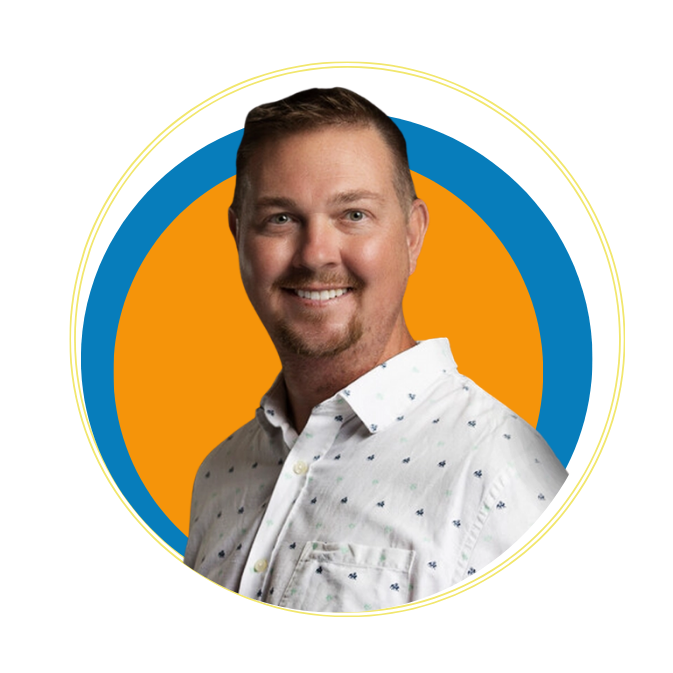
After 20 years doing business in Latin America — from surviving Argentina’s 2004 financial crisis to directing finances for a Mendoza winery to managing multi-country corporate expansions — Brendan Quirk gives a frank, country-level breakdown of where U.S. companies should and shouldn’t go.
He joins Brian Samson to cover Chile’s institutional advantages, Brazil’s real complexity, how capital controls affect nearshore operations, and why Latin American talent loyalty is genuinely different from other global markets.
Key topics: Chile nearshore stability, Brazil business complexity, LATAM labor laws, nearshore country comparison, capital controls LATAM, doing business in Latin America.
U.S. companies should understand that each Latin American country has its own business culture, tax structure, labor laws, banking systems, and regulatory requirements. Local relationships and trusted advisors are essential for successful expansion.
Chile is often viewed as one of Latin America’s most business-friendly countries due to its strong institutions, organized banking system, reliable infrastructure, and relatively straightforward process for setting up and operating a company.
Argentina offers strong talent, rich culture, and unique investment opportunities, but businesses must navigate currency controls, inflation, import restrictions, and complex financial operations.
Brazil is one of Latin America’s largest markets, offering major business potential. However, companies must prepare for complex tax rules, labor regulations, compliance requirements, and regional differences across the country.

A seasoned global executive with nearly two decades of experience helping accounting firms enhance their practices and drive sustainable growth internationally
Brian Samson (00:01.447)
Welcome everyone to another episode of the Nearshore Cafe podcast. I’m your host, Brian Samson. And on this podcast, we talk about the stories and people doing business in Latin America. This is going to be a really exciting show. I had one of the most fun conversations I’ve had in a long time with our guests today about his story as an expat in Latin America.
Before I introduce our guest, let me thank our sponsor. That’s Plugg Technologies, PLUGG.Tech, a great way to connect talent from all over Latin America with growing US businesses. Guest today is Brendan Quirk, who is the founder of LACPA, which is an international consulting firm. And Brendan has been working with Latin America for over 20 years. Brendan, so happy to have you.
Brendan Quirk (00:59.544)
Thank you. Thank you. Appreciate that, Brian. Thanks for having me.
Brian Samson (01:05.036)
Brendan, man, like I said in the intro, your story like just had me hooked. It was fascinating. so I don’t want to, hold anything back from the audience. want them to hear it too. Tell us just like, like a little bit of context on what you were doing right before you got into Latin America. And I believe it was Argentina was the first country. Just tell us a little bit, a little bit like a backstory.
Brendan Quirk (01:31.406)
Mm-hmm.
Brian Samson (01:34.389)
and then let it rip, know, how did this all unfold?
Brendan Quirk (01:38.68)
Sure. Yeah. So I, I was a CPA. I went to school in Boston, got my CPA exam and I was going to take a job in California. I have family over there and you know, I got a little break and I’ve always wanted to go to Patagonia and hit the mountains, you know, just to get down there. I had some experience as a volunteer in Mexico and Costa Rica. taught English for like a month. So I was, you know, kind of
moving jobs, had some time off. And I, you know, I went to South America and had so many hopes and dreams of, you know, backpacking. I marked off all the different trails I would take and all this stuff. And when I got there, I was pretty shocked that I really couldn’t communicate at all. And I was by myself. So I didn’t get very far.
Brian Samson (02:31.031)
Yeah.
Brendan Quirk (02:34.901)
And so I started taking Spanish lessons while I was there and just to get better at Spanish, know, fast forward almost 25 years, you know, I’ve been an expat in Latin America three times. I speak Spanish at home now. You know, my kids speak Spanish, you know, and I consider myself part of the Latino community.
Brian Samson (02:58.731)
Yeah. So give us give us some time reference here. Was this like 2004 if I was reading it correctly?
Brendan Quirk (03:07.853)
Yeah, yeah. In 2004, Argentina had a financial crisis, 2001, 2002, a big devaluation, big challenge there. so when I arrived, things were pretty inexpensive. So you can get pretty far on the dollar. I think at the time it was three pesos to the dollar. So just a few years before that, it was paired to the dollar. so, but with that,
Brian Samson (03:16.224)
Zoom.
Brian Samson (03:31.467)
Yeah.
Let’s try it.
Brendan Quirk (03:36.782)
small amount of money you could have like a luxurious steak dinner and a bottle of wine, know, it was pretty fun at the time for a young me. And yeah, so I was out there and I actually found myself in Mendoza, Argentina. So Mendoza’s well known now, but at the time it wasn’t really well known. This was just about the time that Malbec,
had been coming to the forefront in the wine industry. it was Mendoza or the Valle de Uco, the Uco Valley, was named as one of the seven places in the world with, know, perfect terroir for, you know, excellent wine making. And I just happened to be a CPA, an accountant strolling through that neighborhood. And I met my now wife and
Brian Samson (04:05.538)
Thank you.
Brendan Quirk (04:33.581)
I met some investors who were buying up land and going to build like a really nice hotel and a winery. had this great business plan. were backed by investors from California. And they were like, wow, you’re a CPA. You speak Spanish. You should join us. And I was, you know, probably 25 at the time. I just met, you know, a pretty girl and you know, I these investors and I was like, all right, you know, it’s like.
I basically quit my job that I was supposed to be arriving like in a month in San Francisco. Yeah. And so I never showed up for work that job. since contacted, you we’ve been in touch. know them now, but you know, it was a changing time. And I took on this project. And if you’re familiar with the Vines of Mendoza, it’s, you know, a luxury resort and spa.
Brian Samson (05:10.359)
Crazy.
Brian Samson (05:14.893)
Thank
Brendan Quirk (05:29.995)
with private vineyards and a winery. They have the Siete Fuegos, Francis Melman restaurant there. It’s just a beautiful place. So I helped them in the initial stages of starting that up. I wasn’t there for too long. I’m still a shareholder in that business. I was dating my wife at the time and enjoying myself, but I had…
interesting going to business school. So I applied to business school and I decided to do it in Stingy.
Brian Samson (06:06.677)
Yeah, could we pause before you get to that part? Can we dive a little deeper into Mendoza? Because I mean, this is just fascinating itself of, you know, you kind of stumble upon an opportunity and like, what kind of work were you doing for the winery?
Brendan Quirk (06:09.954)
Yeah.
Brendan Quirk (06:25.047)
So I was their accountant. So was like a financial director, financial manager, local. And I really developed a lot there as a professional because not only did I get to work locally and I was speaking Spanish at the time so I could do that in Spanish. I was managing a lot of the investors and the portfolios. And I mean, it was a startup in so many ways that we were experimenting with different business models and techniques. We’re using technology, which
at the time was fascinating. had telephones that were US phone numbers that rang in Argentina. know, in 2005, that was, you know, that was amazing. You know, you could call a US phone number and it would, you know, I’d answer it in Mendoza, Argentina. And so, you know, I was helping them, you we were…
Brian Samson (07:08.365)
That was really weird. Yeah. Yeah.
Brendan Quirk (07:19.009)
selling wine, we were estimating, trying to make wine prices. We’re trying to sell it in the US, which was more complicated than we understood. We were buying the land. And if you know, at the time, Argentinian deals were done in cash. So we were buying land, land, with this like hundreds of thousands of dollars in cash. And I’m like walking down the street with a duffle bag, wondering if I’m gonna get.
Brian Samson (07:36.991)
Yeah, that’s right. Yeah, I wasn’t finding it. Right.
Brian Samson (07:42.998)
Yeah.
with.
Brendan Quirk (07:47.246)
tackled by some guys as I walk out of the bank. So there were some interesting activities going on. Nothing illegal, but was just people didn’t trust banks anymore. So that’s how a lot of landowners operated.
Brian Samson (08:05.889)
And were you using a USD currency or peso currency in those? Yeah.
Brendan Quirk (08:10.913)
So we had to do it in pesos. So we took US dollars, got them into pesos, and then made purchases that way. Yeah, so it was tough. And luckily, everything was fine, right? It was safe. had local support and things like that. So it all worked out really well.
you know, as anyone who’s looked into those resorts, I mean, it’s a beautiful, lovely resort tucked under the Andes Mountains, you know, it’s an amazing oasis right in the heart of wine country. So can’t Plugg it enough.
Brian Samson (08:49.291)
Yeah, the way I describe, yeah, the way I like to describe Mendoza is, you know, take like Napa or Sonoma and then just surrounded by snow cap mountains with 70 degree blue sky, beautiful weather, just one of the most spectacular places on earth.
Brendan Quirk (09:06.273)
Yeah, just a lovely place. I go there every year. We spend a lot of time there. Yeah, I know it’s a lovely place. I enjoy lots of family and stuff. So Mendoza’s great.
Brian Samson (09:13.11)
Yeah.
Brian Samson (09:20.619)
Yeah. And then Brendan, were you saying for the accounting nerds on this, as listeners were, know, because you’ve got US investors, but it’s a Argentine company, we’re using gap practices.
Brendan Quirk (09:35.694)
Yeah, yeah. we, you know, we were using local, you so we had two sets of books, right? So we had the local books that we operated with. And we also, I mean, I was using QuickBooks. So we were using QuickBooks, and we were operating for the US company, because it was owned by the Argentine company was owned by US holding. So yeah, so we were using US Gap. And I remember my first discussion about Eva, the VAT tax.
Brian Samson (10:00.983)
Yeah.
Brendan Quirk (10:04.621)
I didn’t know what the heck that was, you know, and I got a lot of learning out of this experience.
Brian Samson (10:05.643)
Yeah. Yeah. know, and for a lot of people that are familiar with Argentina, I mean, this is, you know, we talk about tariffs now, you know, under Trump, but tariffs and domestic protection, you know, has been a huge part of Argentina for decades and decades. How did that impact what you guys were doing?
Brendan Quirk (10:33.645)
It had a profound impact, I think, over the years, because Argentina had its ups and downs, and capital controls, I think, were what really made it difficult for us. The wine is inexpensive, as you know, when you look for Premier wines, and you go buy Los Alamos or Trapiche wine from Mendoza. It’s less expensive than, say, California, or France, or Spain.
But what we would run into was the capital control. So as a business, we had difficulty operating in that market in terms of getting dollars in and out or getting our currency in and out and just operationally. We weren’t trying to take money out. We were actually trying to get money in. And when you did that, because they operated under several currency translations or conversions,
Brian Samson (11:13.879)
Yeah.
Brendan Quirk (11:28.885)
you wouldn’t be getting the value that you needed. So there’s a lot of time involved on how to do it.
Brian Samson (11:35.949)
Yeah, as you asked, you know, I think a lot of people who visited at least Buenos Aires are familiar with like the blue rate, you know, and like the published rate, the blue rate, like what is the market rate really? And as a it’s one thing to be a tourist and you know, you’re just exchanging a couple hundred dollars. Another thing to be a business and you’ve got 10s if not hundreds of 1000s of dollars that are flowing through. How did you navigate that? you know, not
Brendan Quirk (11:43.564)
Right.
Brendan Quirk (11:49.644)
Right.
Brian Samson (12:05.535)
losing significant money on exchanges.
Brendan Quirk (12:10.069)
Yeah, no. So we lost money on exchanges. Thankfully, we had significant financial resources that we put in early before it got kind of hectic. I later took a job with a pharmaceutical just a year later. I was in Buenos Aires operating a subsidiary of a larger pharmaceutical. And there it was a lot more hectic because we operated under a cost plus process.
Brian Samson (12:20.973)
Yeah.
Brian Samson (12:39.883)
Yeah, sure.
Brendan Quirk (12:40.075)
So we, whatever we had, we would invoice it to the U.S. subsidiary and then they would send us the money for the next month. And what’s complicated about that is you gotta make payroll in a country like Argentina where the labor laws are quite robust and there’s a lot of risk in that. I mean, that was the big, that was a big challenge. And I’d be talking to the bank almost as much as I was talking to my own and the people that worked.
Brian Samson (13:00.599)
Yeah.
Brendan Quirk (13:08.621)
in the office, you know, just because you’re like, all right, so where’s, know, where’s the currency fluctuating today? we, should we wait till tomorrow? And that was a interesting process, the way that we operated that way.
Brian Samson (13:23.297)
Yeah, know, even even small things. I remember, you know, my first couple of months I was trying to buy like 20 laptops or something, you know, for the engineering team and no one would let me buy on credit. You know, I needed all the cash and did you have experiences like that? Was it just way more cash intensive than and could you get credit terms with, you know, different vendors and
Brendan Quirk (13:31.969)
Mm-hmm.
Brendan Quirk (13:38.273)
Mm-hmm.
Brian Samson (13:51.227)
and parts of your ecosystem.
Brendan Quirk (13:53.748)
No, you’re absolutely right. Zero credit. Zero. The only credit we would get, and mean, technically credit would be from like, you know, outside, like our office getting it from outside our own business, right? So our own company would, would loan us money maybe. But the, And you touched on another issue. mean, getting an iPhone or a computer into the country was always difficult. In one occasion we had somebody
Brian Samson (14:08.044)
Yeah.
Brendan Quirk (14:20.457)
mail it to us and then it got caught up in customs and then you had to pay the customs people and man it was messy and it cost about, it was almost twice the price of the computer. So what we would do is when people would travel like myself, we would buy a phone and a computer and bring it back and operate as it was one of our own.
Brian Samson (14:30.445)
Yeah.
Brendan Quirk (14:46.487)
But yeah, that was a big issue because they wouldn’t allow you to bring that stuff in through customs. So you can only bring it in as a form, really.
Brian Samson (14:47.146)
Yeah.
Brian Samson (14:51.522)
Yeah.
Brian Samson (14:56.493)
Yeah. So we’re talking a lot about, guess, doing business on hard mode. What were some of the other sides of it? Like, how were the margins if you were to operate this business versus, say, a winery in Sonoma or the labor or some of the other some of the arbitrage opportunities that you got to take advantage of?
Brendan Quirk (15:17.153)
Yeah, I mean, obviously cost of labor was lower. You know, the investment we needed to build this business in Argentina was significantly less than we would have had to and even in a second or third tier wine place in the U.S. So that was a big interest. Plus, you know, we were breaking ground, if you will, in terms of Greenfield. wasn’t…
Brian Samson (15:29.197)
Yeah.
Brendan Quirk (15:47.03)
infrastructure for this in Mendoza at the time. that, they were, you know, they were really pioneering, which was pretty cool. the other thing I think, and this is a broader Latin America, I think benefit is, I mean, the people there are tremendously loyal, supportive. They’re used to challenges in business. They’re used to kind of dealing with externalities and you know, the things we’re talking about with these financial
Brian Samson (15:55.276)
Yeah.
Brian Samson (16:06.381)
Hmm.
Brendan Quirk (16:16.397)
challenges of how to operate. mean, some of the business people I know in Latin America, some of the savviest business people, they really know how to think through challenges and they don’t freeze up on a major externality. But also, just the people I’ve worked with, especially employees and talent, there’s great talent, super loyal. And the type of loyal
Brian Samson (16:33.068)
Yeah.
Brendan Quirk (16:46.221)
supportive, if you need something or, and just community, I think has been fantastic for the most part for me, that’s been the key. And what really drives me, obviously, I think, it’s probably pretty clear you can make a lot of money in the US, right? And I could probably make more money working with US clients, but you just have such a bigger impact in my.
Brian Samson (16:56.684)
Yeah.
Brendan Quirk (17:15.841)
You you’re doing so much more and you’re in, you could feel it and you could feel the impact you had. So that, for me is, is, is a huge value.
Brian Samson (17:25.985)
Yeah, that’s awesome. Okay, so I didn’t mean to interrupt you there. So you decided to go to Spain to grad school and what’s next?
Brendan Quirk (17:33.004)
Yeah, so we did, my wife and I went to grad school in Spain, which was great because half the program were Latin American professionals studying in Spain. And it was in English too, so that was supportive. But you could also do some program in Spanish, so you could do like Spanish electives and stuff. But then we went back to the US after that. And I had, when they found out I spoke Spanish,
I knew what VAT tax was and I had worked in several countries because in the pharmaceutical before that, I helped open offices in Peru, Chile, Mexico, Brazil. So I had a lot of broad Latin America experience. They threw me on a ton of projects in Latin America. So right away, and this was at this time, it was about 2010. And there was the big boom for the commodities boom and there was a lot of demand coming from China and the commodities market.
Brian Samson (18:26.733)
Mm-hmm.
Brendan Quirk (18:32.981)
So there’s a lot of opportunities in Latin America. So a lot of the middle market businesses in the U S were looking to operate in Latin America. So I had a lot of work and I had a lot of visibility in this consulting firm I was working for, a large accounting firm. And the guy who ran Latin America retired and they were looking for someone to take his spot. And I was, you know,
probably 35, I had a small family at the time, and nobody else would move there. And I was like, my wife, we were living in Chicago freezing. My wife was like, I can’t wait, can’t wait to throw my sweaters and winter coats and gloves away and move back to South America. So we did, so I took the job because I had that opportunity and.
Brian Samson (19:08.812)
Hmm.
Brian Samson (19:12.779)
Yeah.
Ha ha.
Brian Samson (19:20.599)
Let’s.
Brendan Quirk (19:29.933)
and we moved to Santiago, Chile. And so that started another journey. And obviously Santiago is just on the other side of Mendoza. It’s a 30 minute flight. It’s a beautiful drive over the Andes Mountains. Incredibly dangerous, but amazing. Like just, you know, it’s like driving. It’s the largest mountain range outside the Himalayas. And you drive through it on like a two-way road. It’s beautiful.
Brian Samson (19:32.972)
Yeah.
Brian Samson (19:52.813)
Cheers.
Brian Samson (19:59.339)
Yeah, amazing. If you could just dive a little deeper into some of the office openings that you did there. you said Peru, Chile, Mexico. Did I did I get everyone?
Brendan Quirk (20:12.587)
Yeah, Brazil. Yeah.
Brian Samson (20:14.625)
Brazil.
Yeah, so were you like living in these places for a period of time? Or how are you? How was that happening?
Brendan Quirk (20:23.765)
No, so we had an operating model that was pretty organized. It came from the US. There was a lot of different aspects to it. But we would first hire people. So we would hire people in country, remotely, if you will. And we would operate that way. And then we would build from there. So we would partner with an accounting firm or a law firm, open up an entity, open up a bank account.
open up some type of legal structure. And the way that we operated, would have a legal team locally that would sign checks. They would sign for all the big decisions. So they were our power of attorney. And then we would have an operating group, which would do the business of the company. And that’s the model that a lot of groups will use. So you have a separation of duties, so you don’t have your salespeople sign in.
payroll checks and including themselves. So, you remove that issue, but then you have to set up certain elements of the structure of the business. And so we did that in each of those countries, we would partner with different group, different people, hire people, and they would operate the business reporting to people in the US. And then we would run the admin. So we would run the accounting and back office if you will.
Brian Samson (21:52.577)
Yeah. Could you give a I’ll put you on the spot a little bit, but just kind of a macro like out of those places, what was the easiest to do business? What was the hardest to do business? And, you know, maybe some reflections, you know, a decade later on the complexities of those countries.
Brendan Quirk (22:11.445)
Yeah, no, it’s an interesting question because I think, you know, Latin America is a community in many ways, know, a lot of similarities, right? But when you dig in, as you know, big differences, know, really big differences. So by far the easiest place to set up and get going and just, you know, robust institutions, Chile. No doubt about it.
You know, Uruguay is a close second. And the most complicated places, but the most complicated yet most invested in probably just because it’s enormous is Brazil. Brazil, if you look at the World Bank, number of hours dedicated to doing administrative work, compliance work, it’s like a thousand a month. It’s just insane.
Brian Samson (22:43.159)
Mm-hmm.
Brian Samson (22:56.428)
Mm-hmm.
Brendan Quirk (23:08.961)
Bolivia is similar, Bolivia is similar, but you you don’t have as much investment in Bolivia as you do in Brazil. So you don’t see it all the time. But Brazil is, you know, just very complicated tax wise, labor laws, you know, lots of different jurisdictions of responsibilities, and they’re all unique. Also, the language is a little twist because it’s Portuguese. And then the other countries fall sort of different places in between that.
Brian Samson (23:37.195)
Yeah. What did you think it was about Chile? Was it like, it was more automation or less red tape or what were your what’s
Brendan Quirk (23:47.938)
Yeah, it’s the institutions. They have robust independent institutions, the banking systems, very sophisticated. The country is run in an organized way and they just have, you know, the appropriate administrative and involvement. It’s very similar to the US, but it’s newer. So the country…
was almost rebuilt, if you will, after Pinochet. And it allowed some smart people to do it in a smart way, using some of the US structure. there’s been some amazing things. So for example, I arrived there in 2014, and I could make on my phone a payment.
Brian Samson (24:21.932)
Yeah.
Brendan Quirk (24:44.877)
to, you like we’d go out to dinner with some friends and we each, you know, I pay the bill and everybody sends me a transfer through their phone from the bank, bank to bank transfers. Now we do that on Zelle. It’s fairly new and we do it with Venmo, which is also fairly new. There it was normal and it was 10 years ago, 12 years ago. So stuff like that was pretty impressive. And it was low crime at the time. It got worse.
Brian Samson (25:03.787)
Yeah.
Yeah. Yeah.
Brendan Quirk (25:14.731)
recently, but yeah, at the time it was relatively safe. Institutions were robust. It was growing at a fast clip. So I felt more comfortable going there with my family, which also lot closer to Mendoza for some of those reasons, right? How was I going to get paid in Argentina? How was I going to, at the time, was a question mark where things were going to go.
Brian Samson (25:34.061)
Mm-hmm.
Brian Samson (25:44.619)
Yeah. I want to learn more about what you’re doing today. Tell us about your business. Who do you serve? And you know what your goals are.
Brendan Quirk (25:56.962)
Yeah, thanks. I appreciate that. Yeah. So I started a business, really consulting in the international consultancy space, international accounting firms. So I do a lot of growth training. So while I was with that large consultancy in, in, in global consultancy, but I was in charge of Latin America, got to know a ton of different businesses and people in Latin America. So I focused a lot recently on doing trainings.
to help them get trained up on next generation technology, next gen methodologies for getting clients and developing those clients and relationships into the future. But it’s been very focused on the accounting industry for me. So that’s where I’ve been for most of my career in some degree. So I’ve been doing a lot of that, but also something that’s happening a lot these days.
is private equity has been buying accounting firms and there’s been a lot of consolidation in the market, a lot of global businesses. So I’ve been doing a lot of work with global networks of accountants and global associations of accountants and helping them recruit and sometimes helping firms buy each other. So there’s a lot of consulting in that. And I do quite a bit of public speaking in the industry. So I was in Columbia two weeks ago at the…
Brian Samson (26:58.594)
Bye.
Brendan Quirk (27:22.889)
Instituto Nacional de Contadores Públicos, so the accounting industry. I did a talk to them about just the future of accounting and what’s happening, new changes in the accounting industry that often you’ll see here in the US and then it’ll ripple its way in Latin America and vice versa. There’s things happening there that are impacting us. There’s amazing technologies and things happening that haven’t quite…
come to bear yet with us in the US. So, you know, there’s a little back and forth there. So yeah, that’s the focus, do a lot of consulting to the region, Spain, Europe and US, but it’s always with international and often Latin.
Brian Samson (28:10.957)
Yeah, yeah. Well, as we start to wind down, I want to throw a few fun questions out there. I mean, it’s not often we talk to somebody as well-traveled throughout the continent. Your favorite food in Latin America?
Brendan Quirk (28:16.589)
Sure.
Brendan Quirk (28:29.165)
Oh, that’s a tough one. That’s a tough one because each country has such a unique style of food. So.
Brian Samson (28:37.089)
Maybe we’ll do one for Argentina and one for Chile.
Brendan Quirk (28:41.655)
Sure. So, and I’m gonna go with the empanada. The Argentine empanada is an amazing, delicious food that, you know, it brings in the Argentine beef, but also just some flavor and spice, and they’re just delicious. And uniquely, Chile has its own empanada. And now they have a meat empanada, but if you go out to the shores of
of Chile by the ocean, they make seafood empanadas and those are amazing. So I recommend both of those.
Brian Samson (29:19.169)
Yeah, yeah.
Love it. Considering you’ve done a lot of travel with your family and they were small at a time, the easiest place to travel to in Latin America with your family and the most stressful place to travel to with your family.
Brendan Quirk (29:31.138)
Mm-hmm.
Brendan Quirk (29:40.267)
Yeah, that’s interesting. You know, I think one of the things that I thought was amazing about having kids in Latin America is strangers, even when my wife was pregnant, like strangers would come up to us and like put their hand on her belly, which in the US people would freak out. But there it’s quite common. You know, they love to see the children. And, you know, I, my kids were, I lived in Chile for six years. So my kids were, grew up there. My son was born there.
Brian Samson (29:55.753)
Yeah. Yeah.
Brendan Quirk (30:09.805)
So I mean, was just always, I mean, people always went out of their way to help you if you had kids, everybody from police to airports to, you know, matter, most countries, no matter where you were, but you know, Brazil is a special place. And if you’re trying to fly in and out of Brazil and get into the airport with the traffic and all, I mean, got to hats off to the challenges there.
with commuting and getting around. again, everybody’s really nice, especially if you have kids, they’re really helpful and supportive of families. a very family-oriented culture across the region.
Brian Samson (30:39.949)
Thank
Brian Samson (30:48.961)
Yeah, that’s awesome. Well, Brandon, this has been such a fun conversation. If people want to get a hold of you, what’s the best way to do that?
Brendan Quirk (30:57.505)
Yeah, they can set up a time on my website or, you know, reach out on social media. So I’m very much a LinkedIn social media person, so I’m on LinkedIn all the time. So if you want to look me up on LinkedIn and reach out that way, that’s the best way to get in touch.
Brian Samson (31:13.997)
Cool, we’ll drop that in the show notes. Well, Brandon, thank you again. Really fun conversation. And I wanna thank our sponsor, Plugg Technologies, PLUGG.tech. Great way to connect talent all over Latin America with US companies. This is the Near Shore Cafe podcast. I’m your host, Brian Samson, and we’ll see you next time.
Brendan Quirk (31:35.479)
Thank you, Brian. gracias.
Brian Samson
Founder at Plugg Technologies
Brian Samson is the founder of Plugg Technologies and a veteran tech entrepreneur, with 10 years building successful nearshoring companies. Brian has helped to grow Plugg into one of the leading nearshoring agencies, connecting technical talent in Latin America; including Mexico, Argentina, Brazil, Nicaragua and Colombia with top U.S. companies. Plugg consistently hires and places over 100 LATAM resources each year.
Plugg sponsors and Brian Samson hosts the leading podcast about doing business in Latin America with 70+ episodes, The Nearshore Cafe Podcast. In addition, Plugg brings insight and clarity to clients by supporting them with the details, big and small, to set their team up for success. Everything from currency, customs, hardware, and culture, Plugg provides advice and guidance based on first-hand expat experiences living and doing business across multiple Latin American countries. Plugg Technologies is a trusted partner for businesses seeking future-ready tech solutions including cloud infrastructure, cybersecurity, and digital operations positions
Brian holds an MBA from UCLA Anderson and prior, was an expat in Argentina and a VP of Talent for several San Francisco startups with multiple successful exits (IPO & acquisitions). In his free time he supports foster kids and is a dedicated family man.