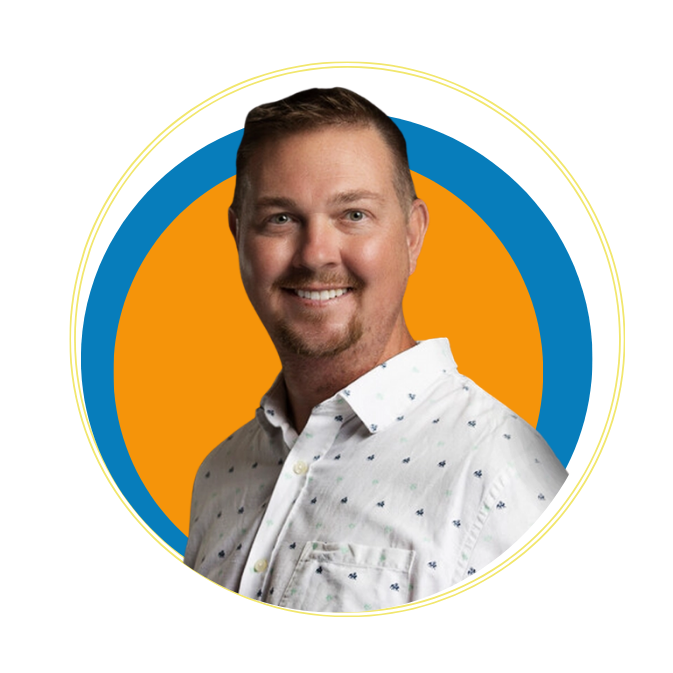
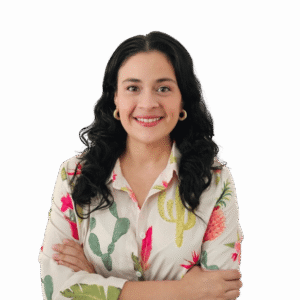
In this episode of The Nearshore Cafe Podcast, host Brian Samson, founder of Plugg Technologies, sits down with Ana Rodriguez spent 13 years rising through Nicaragua’s BPO industry at Concentrix before transitioning into a nearshore client experience role with a U.S. company through Plugg Technologies. In this episode, she shares what it’s like to be the talent behind nearshore staffing — from learning U.S. business culture to using AI tools like Notion AI to serve American clients. Her story offers a rare, on-the-ground look at nearshore hiring in Latin America.
According to Ana Rodriguez, who spent 13 years in Nicaragua’s BPO industry at Concentrix, the sector grew from small, close-knit call centers into a major source of professional careers for Nicaraguans. Rodriguez explained that Concentrix’s Nicaragua operation grew from around 50 employees to over 500 as the company acquired new clients, including a period recruiting for U.S. companies that required staff to hold university degrees. She noted the industry offers strong salaries and growth opportunities compared to many local roles, and became a well-known career path for young Nicaraguan professionals with strong English skills.
Ana Rodriguez, who now works in a nearshore client experience role with a U.S. company through Plugg Technologies, said U.S. founders should feel confident hiring in Nicaragua because the talent pool includes many professionals with university degrees and years of BPO experience working directly with American clients. Rodriguez emphasized that Nicaraguan professionals are used to U.S.-style direct feedback, remote accountability, and meeting deadlines without close supervision. Her advice to U.S. companies considering nearshore hiring for the first time was simple: give it a try.
Driving Operational Excellence | GRC Expertise | Building Efficient, Compliant and Scalable Processes
Brian Samson (00:01.416)
Welcome everyone to another episode of the near shore cafe podcast. I’m your host Brian Sampson before I introduce our guest I want to thank our sponsor Plugg Technologies PLUGG.tech great way to connect talent from all over Latin America to US companies This is gonna be a really great episode because we’re gonna turn the tables We often hear from our clients and customers what it’s like to
hire people from Latin America and their experience and how they found them and leading and so forth. We’re flipping it today. We are going to have a real amazing guest who is from Nicaragua and is working for a client and she’s going to tell her story, how it all came to be and we’re going to learn a lot. So without further ado, let me welcome
Ana Rodriguez, who’s got an amazing career in the world of operations for US companies. Welcome Ana.
Ana Rodriguez (01:09.277)
Thank you, Brian. Thank you for having me today.
Yeah.
Brian Samson (01:14.446)
Well, I, yeah, yeah, I’d love for you to, maybe to kick it off. Just give us a little bit about your background. Like, we know you’re from Nicaragua, like, Managua, where did you grow up? School, and like, how did you get your first few jobs off the ground, like your early career?
Ana Rodriguez (01:39.102)
Sure. Yeah, so born and raised in Managua which is the capital, right, in Nicaragua. I went to an old girls Catholic school. That was a fun experience, I must say. And then, first hit university and my very first job was on an NGO or nonprofit organization, something very different to what came later.
And after that, because that was like a temporary thing or like voluntary slash, right? You know? And then I, I like, this is like 14, 15 years ago, right? And in Nicaragua, we started hearing more about the BPO industry, right? Like BPO’s and it was like growing, was an industry that was growing. So,
I started applying to different positions, roles, companies, local companies, and I was not getting anything. I was not being called. And when I was being called at interviews or anything, the salary was not there, right? Like I remember applying for a bank institution to like a service, like bilingual services role or something.
Brian Samson (02:55.832)
Mm.
Ana Rodriguez (03:04.061)
And I think the salary was around $300. And I was like, whoa, okay, not what I was expecting, right? But then you started hearing about the BPO and they had good salaries and they have like a nice environment. You see like a lot of people coming out from high school or the university applying to these positions. And I was like, maybe I should give it a try, right? And then I heard about this place. It was like a small place at the time.
cold concentrics. And, I said like, why not? I’m going to apply. Maybe this is going to be like a six month something, right? Six months position. If it’s not working, I’ll do something else. Right. and I apply and I got immediately higher, right. and I started from the very bottom, I would say like an agent position.
Brian Samson (03:43.149)
Yeah.
Ana Rodriguez (04:00.657)
This was like a small call center at the time. I think we were like 50 people, which it was nice as well, right? Because the environment was very, very sane, right? Like everyone knew each other. The clients used to come a lot to visit us and you were able to meet them. So yeah, I think it started like that. And then I stayed for…
Brian Samson (04:11.342)
Yeah.
Brian Samson (04:27.886)
Yes.
Ana Rodriguez (04:29.593)
a lot of years.
Brian Samson (04:32.013)
Yeah, so that’s amazing. I have you just give some context to the audience, like the BPO industry, which can mean a lot of things. What was Concentrix doing and what types of customers were they working
Ana Rodriguez (10:33.087)
Great. Yeah, of course. So the BPO industry basically was like offshore services that Latin American companies or people in Latin America is providing to US companies and US customers. So at that time, like it started to be a thing, Or a good source of work for Nicaraguans. Most of the…
services or roles were very linked to customer service. So anyone would say you had a problem with your phone, just an example, Verizon, right? You call your customer service and then someone in Nicaragua will pick up your phone and help you to troubleshoot or to improve your plan, whatever you need, right? So that was like kind of like the overall, but Concentrix was working specifically with one client that was doing recruiting.
for US citizens, right? So what we did was like interview people that had actually applied for a position in US. So you would get to a resume, you will call someone and ask them like a first screening, you know? And that was very interesting. In that time, Concentrix actually was one of the companies that required their employees to have some sort of degree.
cause the job was very, oriented to professionals. So you had to have some experience. I remember that when I started working with this project, since I had kind of like a finance, background, was recruiting for finance positions, right? So you had to kind of like understand, if you ask someone, right, what is a mortgage or how you treat these mortgage or anything, you need to know that that, that the answer is actually real, right?
So yeah, it was very specialized.
Brian Samson (12:33.166)
Yeah. And I think you said when you started, I was a little bit smaller, so maybe about 50 people. Um, and, uh, you know, entry level when you got going, what was the, um, the requirement for English and like, and how did you learn English? it growing up in the Catholic school or, you know, watching TV? How did you figure it out?
Ana Rodriguez (12:59.421)
Yeah, I would say 50-50, right? Some I learned at the Catholic school. It was not a bilingual school, but we had a very good program, I would say. And then, yes, cultural learning through TV and movies and music, MTV at that time, right? The 90s and 2000s. So MTV was a big source of learning English and how people talk, right? Because I think
Brian Samson (13:02.156)
Yeah.
Brian Samson (13:22.904)
Thank you.
Ana Rodriguez (13:28.517)
if you go to school, yes, you will learn grammar. will learn all the rules, but you don’t know how people actually talk in a call or in a conversation. Right. So I think by looking at movies and, and like real conversations, you get the flavor of it. and then the requirement, I think it was more or over B2, something like that. even a C1 probably, cause you had to
Not only talk to people but also you need to like write emails, right? You had a project manager assigned to you So you had to have like a one-on-one experience with a project manager And you need to like send emails all the time. So yeah, definitely had to be like strong
Brian Samson (14:16.718)
I think it’s a really great point that you made about US style English, not just formal English. I think a lot of companies, just an aside as someone who’s worked with Latin America, but also Asia for a number of years, think oftentimes Asia’s taught the textbook English, not the conversational English. that can be a big turn off or turn on.
Ana Rodriguez (14:32.605)
Mmm.
Ana Rodriguez (14:41.692)
Yes.
Brian Samson (14:45.804)
you know, for people that are on the phone. When you were kind of moving up in the ranks of concentrics, what were some of the other roles that you took on?
Ana Rodriguez (14:58.397)
Yeah, so I think this is like really nice and it’s part of the story, my success story there. Concentrix is a global company, right? So when I joined, they had like 15 offices globally, right? But they had a vision. So they started acquiring some other companies. And I remember, I think it was like back in 2013, 14, they acquired IBM. So with that, we had like a big growth.
And we had to make sure that we were standard, right, with all the other countries. So that opened up an opportunity for me. I remember that the first thing that we had to do was to get certified on security standards because we needed to prove that we were the same, right? No matter where you’re working, no matter where you’re providing services from clients need to feel safe and that their data is safe and that their information is confidential, et cetera.
So they opened a position for kind of like a certifications coordinator at that time. And I said like, yeah, I’m gonna apply. I mean, I’m gonna apply. think that this is interesting. And then I got it, right? And I was able to certify myself as an internal auditor for implementation of the security standard, which was an ISO certification.
and I also got certified for a operating standard, is called COPC. That’s very specific for these industry. Like you learn how to manage all your metrics, your attrition, your, hiring rates, right. Training, et cetera. Right. So it opened up and I, I mean, it was great because I started to open myself up as well to, work with other people in Latin.
in US, in India, right? IBM had a strong and very large office from India. So we got a lot of knowledge from them as well. And I was also proud because that specific position, I would say, was very male dominated. So to me, was also like, I’m the first woman from Latin America joining to a position like this, right? And then
Brian Samson (17:16.59)
you
Ana Rodriguez (17:19.773)
Of course, Concentric started growing globally and locally. So we acquire more clients. I remember by 2015, we opened a second office in Manawa. We grew from 70 people to 250. Then we got another client and then now we were at like 500 employees. And I continue to grow, right? So
Brian Samson (17:36.205)
Wow.
Ana Rodriguez (17:44.944)
Then I was no longer working only with the Nicaragua program or just with one client. I was working with several Latin American countries at the same time. And then I think one of the latest acquisitions was Convergys before we did Web Help. So Convergys, we grew exponentially. And I moved to from a
kind of like a compliance analyst position to a senior manager position in security and operations. So I started working globally now, like with people in Germany, people in Portugal, Asia, right? Philippines, India, Malaysia. And I think that’s one of the most enriching experiences, right? If you…
work with other people from different countries, you get to learn from them as well, right? You get to learn how they think, how they present themselves toward their experience as well, right? So yeah, it was very enriching.
Brian Samson (18:50.828)
Yeah, concentrics, I have to give credit where credits do and there’s been a lot of really amazing people that have come through concentrics. What do you think they do right that maybe other companies don’t?
Ana Rodriguez (19:07.429)
A couple of things I would say. One, they partner well with their clients, right? I think when they started growing, they knew what they wanted to do with their business. So they selected those clients that were kind of like having the same vision or that had the same culture as the company or the same values, et cetera. So I think that’s one. And two, it had a lot of
emphasis on employees, like staff is your primary resource, right? If you don’t have the right staff, you’re not going to thrive in your business. Right? So there was support, to staff in developing, or if you wanted to have like additional knowledge in certain topics, they had like their own library. You could go through it. You learn on your, at your own pace, et cetera.
you got motivated, right, for doing things right. And I think something that’s important for me to mention is there are opportunities, but you have to work hard as well, right? Because I know that there’s a lot of people that goes into this industry and they, everyone wants to grow, right? Everyone. But then you have to present yourself to do that, right? Like you have to be on time, you have to meet your metrics, you have to show that you’re doing what you’re doing, right?
and that’s when positions open or opportunities open for you, right? So yeah, I think that they had like, they were very supportive of their staff.
Brian Samson (20:46.786)
Yeah. The next place I want to go in this conversation is, know, I was lucky when I started my career. You know, I go back many years and, you know, I took US culture and US business culture for granted, but I still had to kind of learn the ins and outs of how you act in an office and things like that. Maybe tell us about your journey and
because you had to kind of learn two cultures and eventually many, many more. But you had to just learn what it’s like to be an employee in a big company like Concentrix and navigate that from the Nicaraguan level. But then be able to perform for US companies that had different standards and different things that mattered to them and they were tracking different things.
Maybe tell us about how you kind of adapted, adjusted, did well, what were some of the lessons learned as you figured out US style business culture.
Ana Rodriguez (21:55.966)
Yeah, well, that’s a really good question, right? So a couple of things, right? One, I remember the first time, like my induction for the very first role, right? Being an agent, this client had like really nice values. And I remember one of them was discipline freedom, right? And I was like, what is that? What do you mean with discipline freedom? And I remember them.
basically telling you like, we’re not going to be checking on you every single minute, right? Or hour after hour, you know what you have to do, right? And you’re a person, you have integrity. And we trust you, right? And I think that’s a very good opportunity for a person to be trusted, because then you can prove what you’re made of, right? I would say that’s one. And then the other one is
I think you just adapt, right? And there was a little bit of a difference culturally, I would say, is that I think people in Latin America, tend to sugar coat some things, right? Like, yeah, they don’t want to hurt your feelings. And that’s okay. It’s part of how we talk and how we communicate to people. When I started working with people in U.S., I realized, okay, everything’s straightforward.
We’re not going to be sure coding things. It’s going to be direct feedback. This is good. This is not good. This can get better. And I think I appreciated that. I think it’s important that you know if things are working or not at the right time instead of letting that become something bigger or a problem that then you’re not going to be able to solve. So yeah, I was like, OK.
I understand now I have to be like very straightforward and I adopted. I think I really liked working in that environment. And you also get to learn so many other things that are like skills for life, right? Like when you’re working in a BPO industry, one of the things or the rules, right, is that you have to be on time. And that’s something that
Ana Rodriguez (24:17.543)
culturally for us, it’s different, right? Like we tend to, especially if it’s something social, right? Not work related, but social. We’re like, yeah, the invitation is at seven and then you start showing at 7.30 or something. This is not like that, right? And I actually appreciate that because that starts shaping your…
Brian Samson (24:19.086)
Thank
Ana Rodriguez (24:38.745)
personality and your professional attitude, right? Like you know you have to be on time. So you’re going to guide yourself to make sure that you are on time for work or after your break or whatever. And yeah, I think you learn a lot from that.
Brian Samson (24:54.53)
Yeah, that’s awesome. Okay, so now you’re working for a smaller agency, happens to be a Plugg client. Before we even get into your day job and responsibilities, just like how did this all come to be? Do you remember how you first heard about it? What maybe got you interested in the recruiting process about it?
Ana Rodriguez (25:21.565)
Yeah, so well, everything was working out concentrics, right? Except that I had, since I was working with so many regions or cities or countries, right? I had multiple time zones. So I like last year I had my second baby and time zones were not doing it for me, right? So I remembered that. I was like, yeah, I think I need to change.
my job now. I’m ready for something else for a new challenge as well. And something that aligns more with my current personal needs as well. Right. So I had a friend that worked with me at concentrics and he came to me and said like, Hey, you know what, I think that there’s a position open that may align with your experience. And I don’t know you’re interested in like, yeah, let’s give it a try. Right.
and then I got, contacted by Plugg. And I remember having kind of like a first screening interview, right? like what were my interests and my experience. And I think that went really well. That was with someone at Plugg. And then, I was interviewed directly by the CEO of this client that I’m working with. And I was like, okay, this is the first time, right? That I’m interviewing with a CEO.
But I think we clicked, right? Like everything that he was talking and asking, and I was like, yeah, I’ve been doing these for so many years, like almost 13 years at Concentrix. And I felt like, okay, this is a really good opportunity, a good experience, right? This was for an operations manager position. And basically the idea was that, okay, we are going to be working with
of course, clients or customers in US, and we’re gonna be optimizing their processes, right? So how do you optimize a process? First, you have to learn from that process, what’s working, what’s not, and then we’re gonna do recommendations, right? So back to what I said, right? I had these background as well on operations standards, and I was like, yeah, I think this is something that definitely matches my vibe.
Brian Samson (27:19.854)
Thank
Ana Rodriguez (27:47.518)
And I was like, yeah, let me know if you’re interested. I am right. Um, and I think it was like one or two weeks after that, I got, um, contacted by, by blog. Um, think Ruben directly called me and said, like, can you start on Monday? I think it was a Friday and like, can you start on Monday? I’m like, okay, I need to give my two week notice, but we can manage, right.
So yeah, it was really good, a very good experience, the hiring process as such, and it has been a delight to work with this client.
Brian Samson (28:25.036)
Yeah. When you were interviewed, was everything in English or was there kind of like a Spanish English component?
Ana Rodriguez (28:32.771)
No, everything was English. Yeah.
Brian Samson (28:35.074)
Yeah. Okay, so tell us more about, so how long have you been there, this client now?
Ana Rodriguez (28:43.303)
So I’ve been working with this client for nine or 10 months almost. Yeah, and as I said, like I started as an operations manager and was immediately introduced to one of his clients, right? This was a new client for him. So we started working with them, trying to solve different operational problems. Like one of the main things that we see, right, is
Brian Samson (28:48.428)
Yeah. Yeah.
Ana Rodriguez (29:12.189)
When you have a small firm, let’s say eight to 10 employees, usually the CEO is the person that does everything. He knows everything. The CEO knows all the processes, the vendors, et cetera. So usually that becomes the bottleneck. So everyone goes to the CEO. So the CEO knows everything out of his head or their head. And everything gets delayed.
So how do you solve that, right? So that was one of our main projects with this client, like working on getting everything out of his head to make sure that the company and the rest of the firm knows how to operate. And we’re still working with them. And I think we have achieved that. Like we have very good feedback. Yeah, the CEO is feeling more liberated, et cetera. And then we started.
acquiring more clients as well. Right. So in this process, in these nine, 10 months that I’ve been working with, we have also added clients to our agency. Right. So, it’s also really cool to see how this company is growing, being part of that. and now my role has evolved to a client experience manager. So yeah, I’m just living the life.
Brian Samson (30:35.342)
That’s great. What can you tell us about working for a small US company versus a massive one like Encentrix? What are some of the big differences you’ve seen so
Ana Rodriguez (30:51.773)
I think when you work for a big, big company, there are a lot of rules, I would say, right? There’s more bureaucracy that you have to follow, more people to get things approved or reviewed, because there are different layers, Like senior VPs, CEOs, VPs, etc., directors, everyone needs to be aware of everything.
when you’re working with directly with the CEO or like a senior ops advisor, cetera, decisions are made on the go. Right. and I think that’s also very interesting, right. Plus you are seeing a person growing their business when you are working for a big company. You’re working for everyone, right? For the stakeholders, for the chairman, for the CEO, et cetera, right.
So in this case, like you’re seeing someone how they grow their business. You get to see the passion, the time, et cetera, which I think it’s, really interesting. I would say that’s like the main difference, right? I did have a good relationship with my manager when I was at concentrics, which was very close to, so I would say that’s a similarity. have a very good communication channel with, the CEO in this company. So.
I think that’s also like a plus, right? That you’re able to talk to this person, get their ideas, get their thoughts, get their feedback. So yeah.
Brian Samson (32:27.554)
Yeah, if you could, Ana, tell us more about just like the tool suite you’re working with. Like, what are some of the applications and maybe even how AI might fit into everything.
Ana Rodriguez (32:40.667)
I think that’s a great question. Because it was a big change for me, right? When I was referring to there are a lot of rules when you’re working for a big company and I was coming from a security position as well, right? So there are a lot of restrictions in terms of technology, in terms of what can you use, what clients allow, et cetera. And coming here was like, my God,
I was missing all of these, right? So we’re working with Notion. So it’s like, you’re able to do project management through Notions. You have different tasks, reminders, calendar, et cetera. Everything is managed through that. You can record your calls through there. And then you have Notion AI, right? And I think AI is a magnificent tool if you learn how to use it, right? So for example,
You get on a call with a client, you record the call, and then you use AI to produce a deliverable. So you can give them a report, you can give them a full project already built in, or an SOP, or anything that they need after having one conversation with a person. Of course, I would say that you always have to ensure that there’s human interaction and review.
Brian Samson (34:03.97)
Hmm
Ana Rodriguez (34:07.237)
but definitely it supports your functions and that makes it easier to serve to clients, right? And to deliver in a faster and better way. So yeah.
Brian Samson (34:19.938)
Yeah. Tell us about maybe your advice on both sides, because you’ve been working with the US for a long time. What would be your advice for companies like yours that might want to hire Latin America talent for the first time ever? What might be your advice for them? And then on the other side, what might be your advice for
talented people in Latin America that have never worked with the US before but they want to. Give us some guidance on both sides.
Ana Rodriguez (34:58.385)
So for us companies, I would say give it a try right like I think we have a lot of talented people in Latin America Not only Nicaragua. Of course, I’m gonna speak about Nicaragua. We have a lot of talented people I think most of us have really good English and I would say that a lot of people already have BPO experience, right? So they kind of know the mentality they kind of know how
Brian Samson (35:10.764)
Hahaha
Ana Rodriguez (35:27.773)
to work with US people. And yeah, give it a try because you’re going to love it, right? There’s a lot of people that went to university. It’s not like only like, yeah, I’ve been working with companies in the US. Yes, that’s great. But you also have people that actually went through a career, they have a degree and they have all of this knowledge, right, that you can use for your companies.
And then for people that wants to work with the US, be real, right? Be authentic, be real. And make sure that you are trusted, right? So I think after the pandemic, right? When everyone had to move to work at home, that was a big challenge for a lot of people. And not even in Latin America, I mean worldwide, right? To make sure that you were consistent.
that you were delivering things on time because you had to be, how do you say this? Like you have to be very organized, right? No one was supervising you. No one was looking at what you were doing, but you had to be real on, okay, this is the expectation. So make sure that whenever you are hired by a US company or anyone remotely, that you’re actually meeting the expectations and…
I mean, talk to people like anyone else, right? If you need 30 minutes to go do something, then talk about it instead of being reached out then, well, I’m not at my computer right now. I think that’s what breaks the relationship. If you are real with the other person, if you commit to things and you actually deliver what you’re expected to deliver, things go really well.
Brian Samson (37:20.01)
As we start to wind the showdown, I just want to give a chance for you to play tour guide for Managua. For those that are listening that would love to visit, what are some things that they should do, try, eat, all that stuff.
Ana Rodriguez (37:38.3)
Right. Well, I think Manawa has an amazing nightlife. I would think that that’s one of the biggest attractions in Manawa. Right. I’m going to speak about Nicaragua a bit, so bear with me. But Manawa has an amazing nightlife, like really good restaurants, like really good bars. If you want to go and try some beers or drinks from all over or anything, Manawa is your city.
But then I would definitely recommend people to, if they want to experience the culture, right, they have to go to Granada and Leon. Granada is like 45 minutes away from Managua. And Granada and Leon have this colonial style, because for people to be aware, right, we were colonized by the Spaniards, right?
So there’s this style that still remains in these cities, right? So you’re gonna see the architecture is different and the churches and the parks and everything is more into like that Spanish style. And they also have like food, everything is delicious here, right? Like there are different things that are made out of corn, which was one of the basic foods.
back then and there are things that are absolutely delicious but also meat and something called fritanga you can google that and that’s like a big plate of rice and beans and meat and fried plantains and salad so yeah that’s delicious. There are a lot of activities to do in Granada and Leon so and just to add right Nicaragua has a lot of volcanoes.
I think we have over 50 volcanoes. So there are activities like you can go hike a volcano in Granada, you can do zip lining near a volcano. You can go to the lake, Nicaragua Lake, and have a ride on a boat for the day. You can spend the day in a little island and they will bring you beers and food and have a great time. And you can also do
Ana Rodriguez (40:00.999)
sandboarding in an active volcano in Leon. So anything you want, right? Like if you like kind of like active things, Or big activities, you name it. If you want to go to the beach and have a like a relaxing day, you can also do that. Like the beach is very close to Managua, like one hour and a half. Or you can go to San Juan del Sur, which everyone loves. That’s a little bit further, but totally worth it.
So yeah, a lot of activities for people that want to visit.
Brian Samson (40:33.966)
Amazing. I’m sure we’ll have to have the Nicaraguan Tourism Authority give you a commission for all the people that are now excited to go to. This has been a real pleasure, Ana. Thank you so much for spending time with us. Let me give a thanks to our sponsor, Plugg Technologies, PLUGG.Tech. Great way to connect talent from all over Latin America with US companies.
Ana Rodriguez (40:41.437)
I know, right?
Brian Samson (41:02.2)
Thanks again for listening to the Newer Short Cafe podcast. We’ll see you next time.
Ana Rodriguez (41:07.688)
Thank you.
Brian Samson
Founder at Plugg Technologies
Brian Samson is the founder of Plugg Technologies and a veteran tech entrepreneur, with 10 years building successful nearshoring companies. Brian has helped to grow Plugg into one of the leading nearshoring agencies, connecting technical talent in Latin America; including Mexico, Argentina, Brazil, Nicaragua and Colombia with top U.S. companies. Plugg consistently hires and places over 100 LATAM resources each year.
Plugg sponsors and Brian Samson hosts the leading podcast about doing business in Latin America with 70+ episodes, The Nearshore Cafe Podcast. In addition, Plugg brings insight and clarity to clients by supporting them with the details, big and small, to set their team up for success. Everything from currency, customs, hardware, and culture, Plugg provides advice and guidance based on first-hand expat experiences living and doing business across multiple Latin American countries. Plugg Technologies is a trusted partner for businesses seeking future-ready tech solutions including cloud infrastructure, cybersecurity, and digital operations positions
Brian holds an MBA from UCLA Anderson and prior, was an expat in Argentina and a VP of Talent for several San Francisco startups with multiple successful exits (IPO & acquisitions). In his free time he supports foster kids and is a dedicated family man.